My Journey
Belle Park is where my story almost ended. It's where the work began.
I'm a fifth-generation Kingstonian. I know this city's streets the way you know a house you grew up in — which is another way of saying I know where it hides things.
For almost twenty years, I was in active addiction. I was the person people crossed the street to avoid. I slept in places nobody should sleep. I lost years, and I lost people, and for a long time I believed that was simply how my story went.
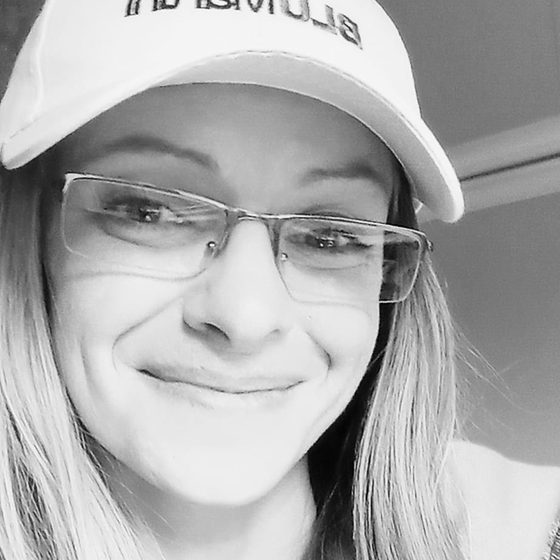
In February 2021, I got sober. Not because I finally found willpower — because somebody believed I was worth saving, and stayed long enough to prove it.
Recovery gave me back my mornings. I spent them studying.
Trauma-informed care. Harm reduction. Program evaluation and data collection. I wanted more than good intentions — I wanted to know what actually works, and how to prove it. The certifications came one at a time, the way sobriety does. Three and a half years of building myself back, piece by piece.
Then there was one thing left to do, and it was the hardest one.
Belle Park was where the people I'd left behind still were.
I broke down that first day back. Flooded with guilt for leaving people behind — people who were still out there, still surviving, while I got to start over. I pushed through it, because the alternative was staying comfortable, and comfort wasn't why I got sober.
I started volunteering. Showing up, week after week. And the longer I showed up, the more I saw what wasn't there: nobody tracking who needed medical care, nobody making sure water arrived, nobody keeping count when someone disappeared.
So I built it.
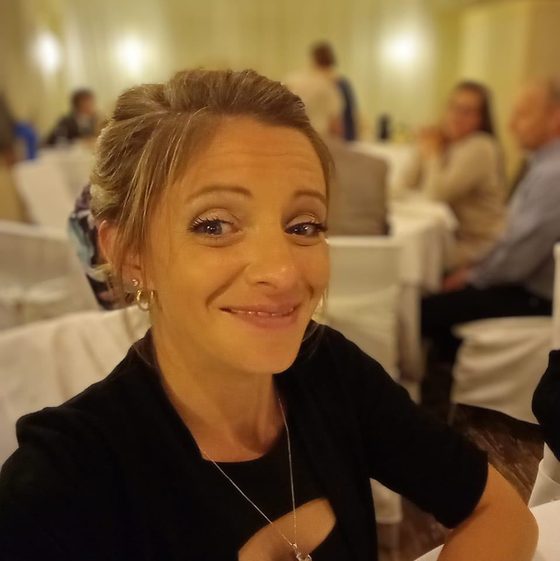
Peer Outreach Empowerment Team Alliance Inc. (POET) exists because the gaps weren't going to close themselves.
Every month, our team conducts 175 check-ins. We connect 25 to 35 residents to medical and social services. We deliver blankets, medical aid, and care for the pets that are sometimes the only family a person has left.
Since February 2025, the overdose rate in Belle Park has dropped. That's not a feeling. That's a number. Consistent support works, and we can show our math.
But the work taught me something else, too: showing up isn't always enough. Some of what's broken can't be fixed with blankets.
We lose people. People with names, birthdays, jokes they told badly, dogs that waited for them.
Every loss has a paper trail — a request that went unanswered, a notice that moved someone away from the people keeping them alive, a service that existed on paper and nowhere else. Grief is private. The pattern isn't. I started saying so, out loud, with the receipts in hand.
That's when I learned what happens when you do.
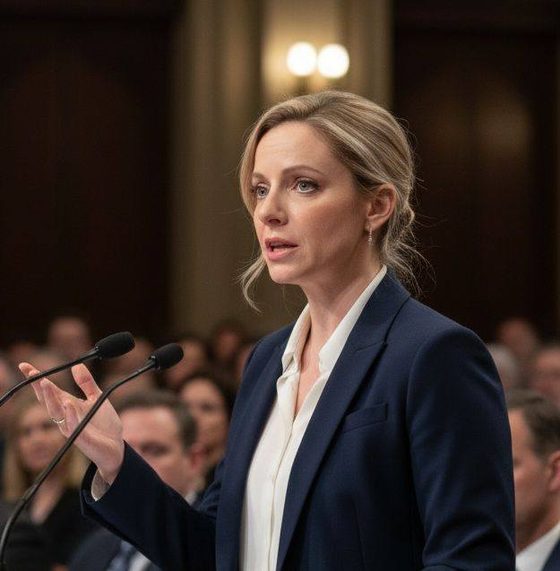
It took repeated requests and most of a summer before bottled water reached Belle Park in 2025 — and volunteers hauled it themselves, case by case, in their own cars. One of ours got a hernia doing the city's job for free. Meanwhile a 1,400-litre water trailer sat idle in the city yard, $5.22 to fill.
I wrote it all down. The water. The eviction notices. The clearances with no alternatives offered. And the older history underneath it: this is land the city used as a landfill for twenty years, land it was convicted under federal law for polluting. The risk at Belle Park was never the people. It was always the ground — and the choices made about it.
The more I dug, the further back it went.
In 1933, Kingston moved its unhoused across the Cataraqui to a relief camp at Barriefield — out of sight of downtown, contained instead of housed. Ninety years later, the blueprint is the same; only the address changed. I'm a fifth-generation Kingstonian. I know this city's history because it's my family's history too. We've been here before. We chose wrong before.
Everything I had been documenting eventually needed saying in one place — why the gaps, the bailouts, and the idle equipment all point to the same failure, and what I decided to do about it.
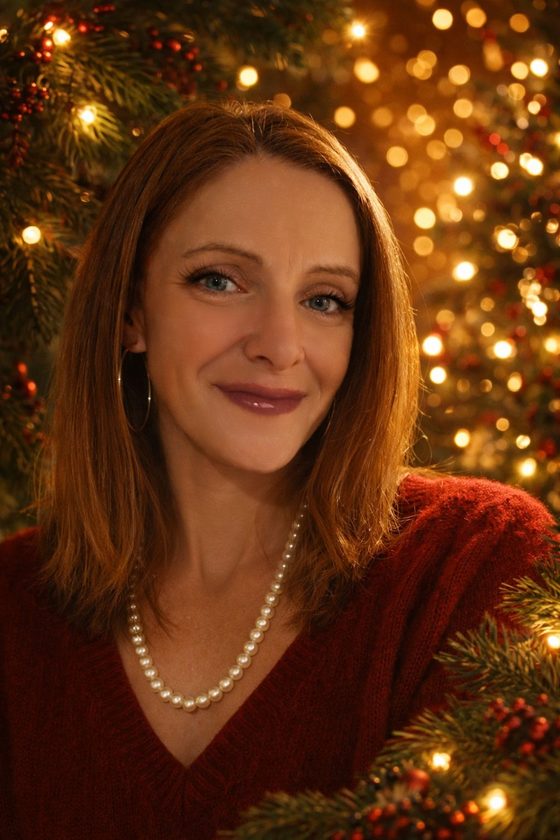
I went back to Belle Park because someone once came back for me.
That was September 14, 2024. I've been there every week since — with a team now, and data, and more than 175 check-ins every month. I've been the person on the ground and the person in the meeting, the one asking for help and the one organizing it. I know what this city looks like from its lowest point and from its council chamber's public gallery.
I'm not what I was, not yet what I'll be — but I'm still here, that's a win to me.
Rooted in Kingston. Still showing up.